
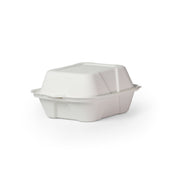






How to Make Your Packaging Eco-Friendly: A Guide for Businesses
In an era where environmental consciousness is at the forefront of consumer concerns, businesses are increasingly recognizing the importance of adopting eco-friendly practices, and one crucial aspect is transitioning to sustainable packaging. This guide aims to provide businesses with practical tips and actionable steps to make the shift towards more environmentally responsible packaging choices, considering materials, suppliers, and cost considerations.
Understanding the Need for Sustainable Packaging
Before delving into the transition process, it's crucial to understand why sustainable packaging is essential. Eco-friendly packaging not only aligns with consumer values but also helps businesses reduce their environmental footprint, enhance brand reputation, and, in some cases, cut long-term costs.
1. Conduct a Packaging Audit
Begin the transition by assessing your current packaging materials and practices. Identify areas where improvements can be made and evaluate the environmental impact of your existing packaging. This audit serves as a baseline for measuring progress and setting goals.
2. Research Sustainable Materials
Explore eco-friendly packaging materials such as recycled cardboard, biodegradable plastics, and compostable materials. Consider the life cycle of these materials, from production to disposal, to ensure they align with your sustainability goals.
3. Connect with Sustainable Suppliers
Choose suppliers who share your commitment to sustainability. Research and establish partnerships with suppliers offering eco-friendly packaging materials. Ensure they adhere to environmental standards, and inquire about certifications that validate the sustainability of their products.
4. Evaluate Cost Considerations
While the initial cost of sustainable packaging materials may seem higher, consider the long-term benefits. Calculate potential savings in terms of reduced waste disposal costs, customer loyalty, and positive brand perception. Many businesses find that the initial investment pays off in the form of enhanced brand value and customer loyalty.
5. Set Realistic Goals and Timelines
Develop a comprehensive plan for transitioning to sustainable packaging, including specific goals and timelines. Whether it's a gradual shift or an immediate overhaul, having a clear roadmap will help manage the transition effectively.
6. Educate Employees and Stakeholders
Ensure that your team is on board with the transition to eco-friendly packaging. Provide training on the importance of sustainability and how it aligns with the company's values. Educate stakeholders, including customers and suppliers, about your commitment to environmentally responsible practices.
7. Communicate Transparently with Customers
Be transparent about your sustainability journey. Communicate changes in packaging materials and practices to your customers, highlighting the positive environmental impact. Transparency builds trust and fosters a sense of shared responsibility.
8. Continuously Monitor and Improve
Regularly evaluate the success of your sustainable packaging initiatives. Seek feedback from customers and make adjustments as needed. Stay informed about advancements in eco-friendly packaging to ensure your business remains at the forefront of sustainable practices.
By following these practical tips and steps, businesses can embark on a successful journey toward adopting eco-friendly packaging. Beyond contributing to a healthier planet, this transition can enhance your brand's reputation and contribute to long-term business sustainability.


Leave a comment